Directions
Do I need to book in advance?
You can buy tickets on the door, but we recommend booking online to guarantee your tickets!
Kids under 12 FREE?
One free child ticket with every paying adult ticket, any additional children are charged at £5.00
Entrance Pricing:
Day Pass – £14
Parking – £4
Opening Times?
Tues – Fri: 9:30am-4pm
Sat: 9am-4pm
Do we need to book for the Cafe?
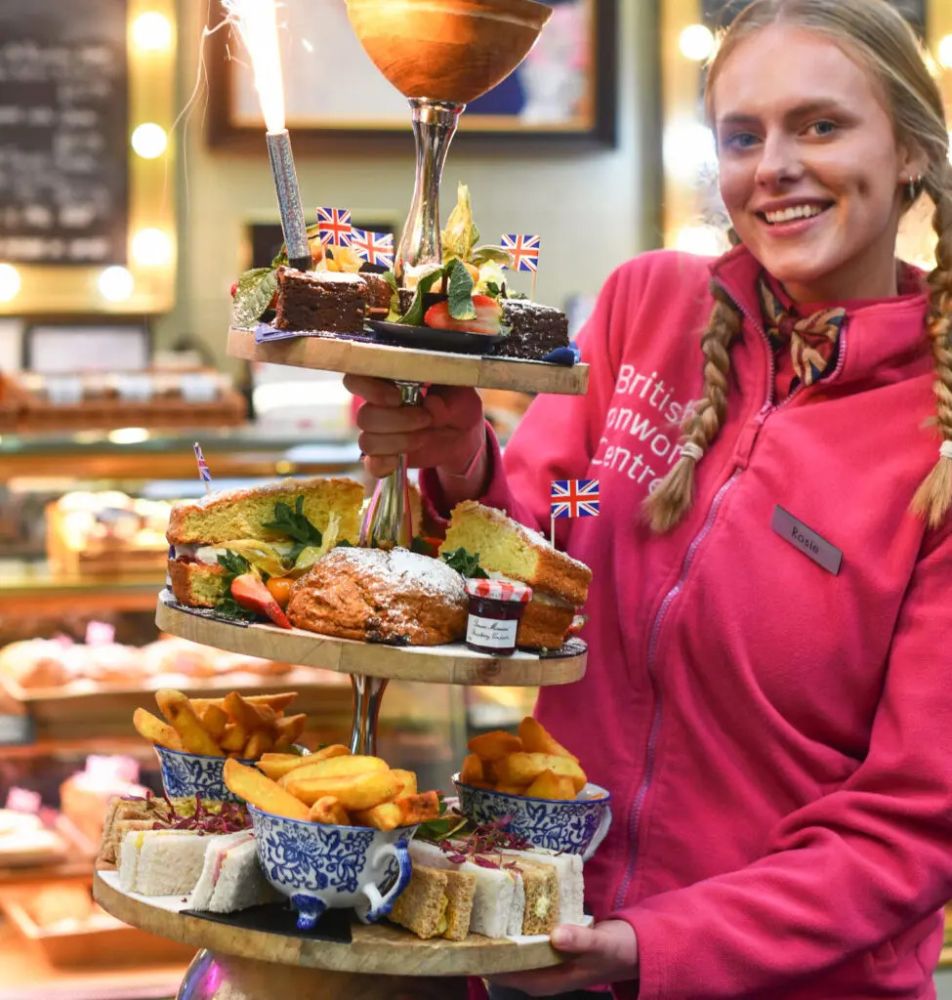
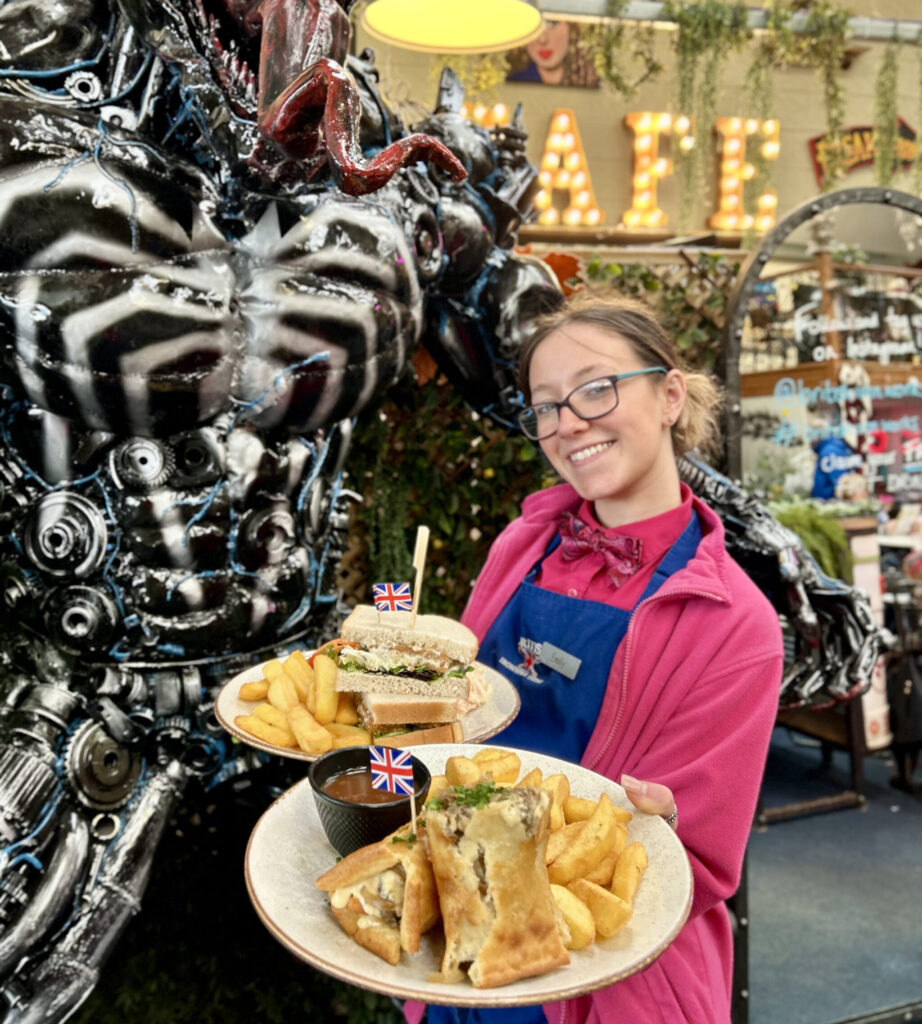
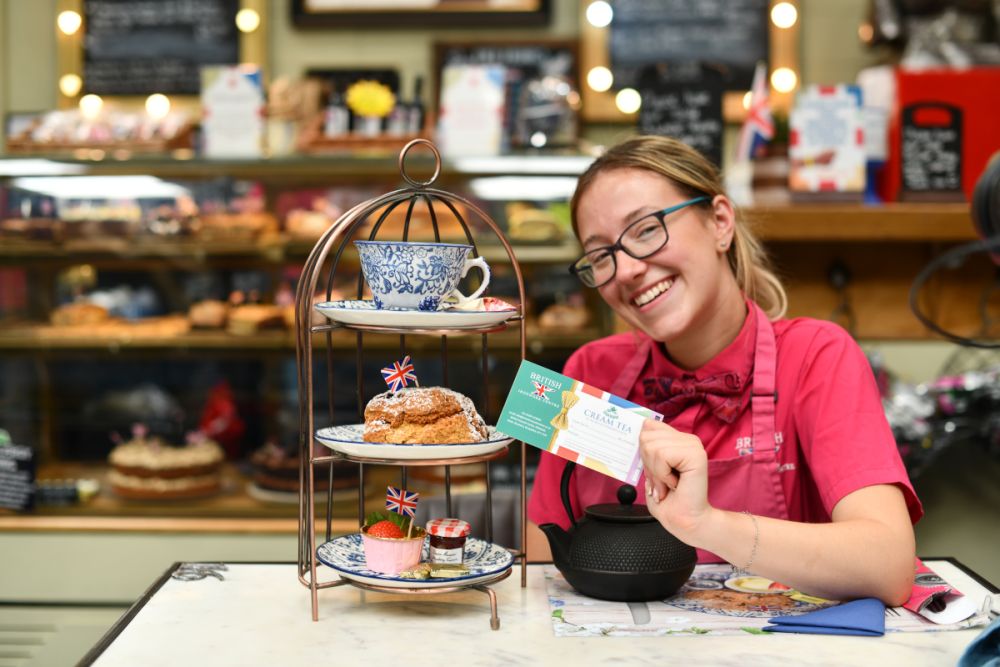
No need to book! Please note we kindly request no picnics on site, as we rely on our café sales to help maintain our wonderful sculpture park.
Do you allow dogs?
Yes, in all outdoor spaces and outdoor café area!

Greenpeace and other conservation groups have recently highlighted the very alarming fact that a huge number of tree species worldwide are now officially listed as at risk of extinction on the IUCN Red List.
According to the International Union for Conservation of Nature (IUCN) Red List of Threatened Species, a comprehensive global assessment shows that at least 38% of tree species evaluated are considered threatened with extinction in the wild.
That means over 16,000 tree species now appear on the official Red List.
What does “on the Red List” actually mean?
The IUCN Red List is a global scientific assessment of extinction risk. Being “on the Red List” means a species has been assessed and assigned a conservation status based on criteria like population size, rate of decline, and threats to its survival. Species listed as Vulnerable, Endangered, or Critically Endangered are at increasing levels of risk of extinction, but they still exist.
On the Critically Endangered list features Acer pentaphyllum, Nyssa yunnanensis and Abies beshanzuensis, all native to China with some types being reduced to just a handful remaining in the wild.
There are about 15 native tree species in the UK considered endangered or highly threatened, including Juniperus communis, Somerset Whitebeam, and Leys Whitebeam, which is considered one of Britain’s rarest trees, with only about 15 – 20 individuals remaining in the wild.
What can we do to help?
Protect and respect existing trees – Don’t intentionally damage trees and stick to paths in the woods to avoid crushing rare seedlings.
Plant the right trees – Choose native UK species suited to your area, and support projects that plant locally sourced native trees.
Help the wildlife that trees depend on – Trees need birds, insects, and fungi to survive, so put up bird boxes or insect hotels and avoid pesticides.
Reduce pressure on forests – Use less paper and be sure to recycle wherever possible.
Support local Trusts – Organisations like Woodland Trust and National Trust need as much help as they can get!