Care & Maintenance
Care & Maintenance- All Metal Types
Any item kept or used outside will need regular care and maintenance. The regularity of maintenance required will be dependent on your location and where the item is placed but, as a general rule, we advise that any maintenance is done annually or as and when is required. To help you keep your purchases in great condition, we have put together the following guidelines for the care of different metals and materials. To determine the exact material/s of your product, please see individual product descriptions. Advice for all metals and finishes:
- As a general rule of thumb, all exterior metals that are treated with either paint, lacquer or beeswax should have that same coating reapplied annually.
- Metal products will require additional care and attention when used in proximity of the sea. This is due to the increase of salt in the atmosphere which accelerates corrosion.
- Apply a lubricant such as WD40 to all moving parts before installation and at regular intervals.
- Do not use chemical cleaners on any metals or finished products in case they harm the finish or remove any protective coatings. This includes all household cleaners.
- Cover garden metalwork or bring it indoors during wet or adverse weather conditions.
- Before erection of any metal structure, gazebo or pavilion, spacers are to be added to the ground to allow for air flow.
- Garden sculptures must be adequately secured in position, either through ground anchoring or a concrete pad.
- If you are in doubt as to the material or finish of a product on our website, please call us for further advice.
Please note that this guide predominantly refers to items that are being placed outdoors. Indoor items will not require the same level of maintenance as they are not being exposed to the outdoor elements.
Cast Iron
Cast & Shaped Aluminium
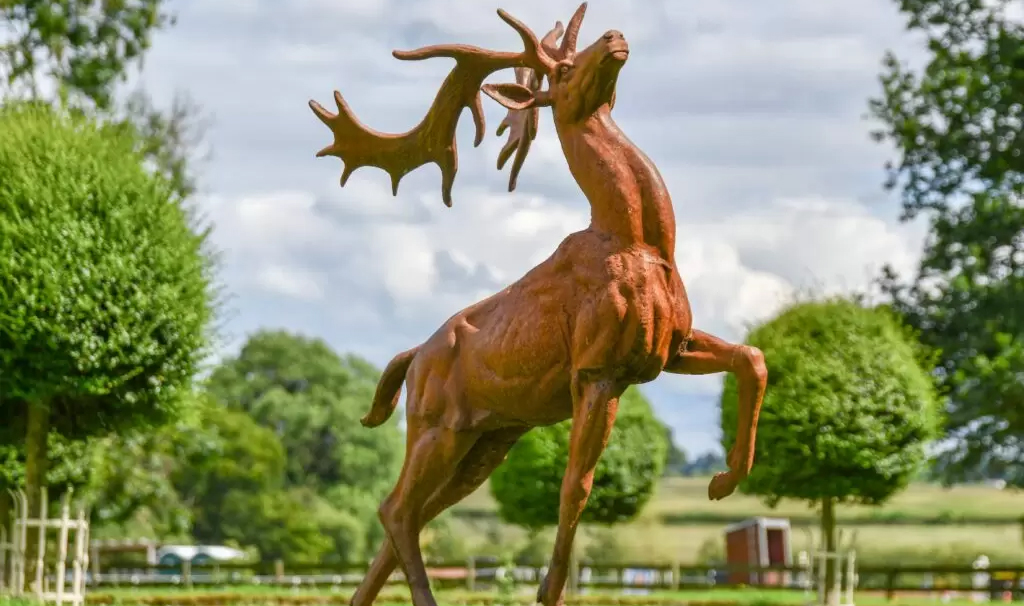
f you wish to keep your item in a “like-new” condition, we recommend that repainting is scheduled annually, or as and when is required. We do not recommend using a metal-based paint on aluminium products or pieces. Instead, we advise that your product is sanded down using a wire brush to ensure that all loose paint and powder is fully removed. We then advise three coats of BEDEC Multi-Surface Paint (available from most good hardware stores) mixed to your desired shade. Please ensure that any green algae is removed before re-painting.
When handling aluminium products, be careful of scraping them against any sharp items as this will damage or scratch the surface of the metal.
Wood
Leather
Wrought Iron & Steel
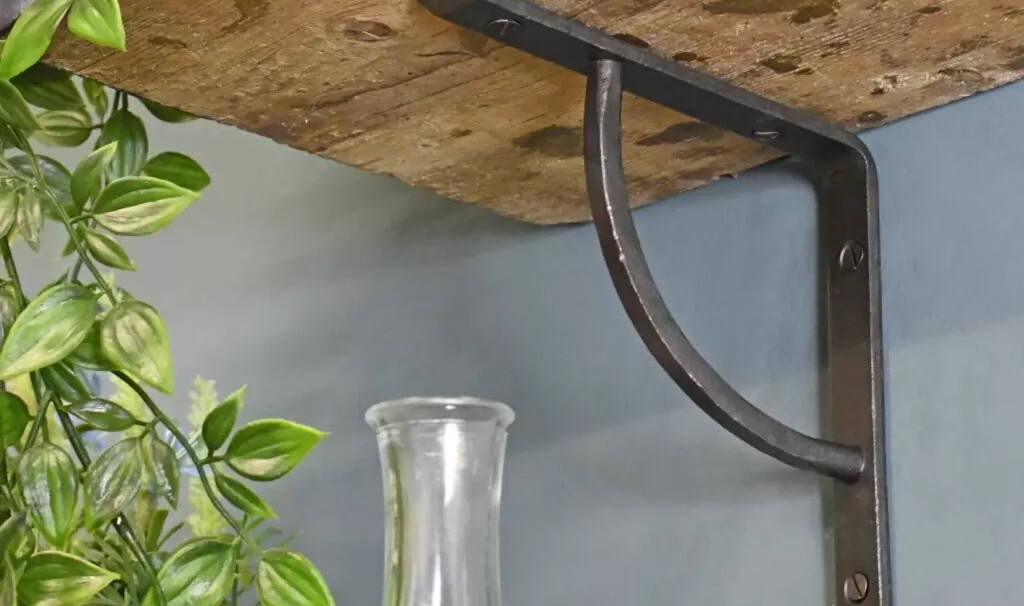
Upon installation of your product, it is advised that any cracks, chips or scratches are touched up with a metal-based paint to prevent water ingress and to further protect the area. An alternative method for protecting the original finish of the piece is to apply a universal clear lacquer. Our personal preference is to use a clear yacht varnish, which is particularly effective if you would like to preserve more intricate or detailed paint finishes. This is typically applied within the first three to six months to ensure the lacquer is applied while the original paintwork is at its best.
Heavy rainfall can cause a staining known as ‘French bleed’ at the fixing points or around the bolted areas. This is simply discolouring and will not affect the integrity of the metal. ‘French bleed’ can happen the first time a product gets wet and will normally not deteriorate any further. To remove, lightly sand the affected area with 00-grade wire wool and apply a coat of paint suitable for use on metal.
Beeswax Finish (Iron Products)
Copper
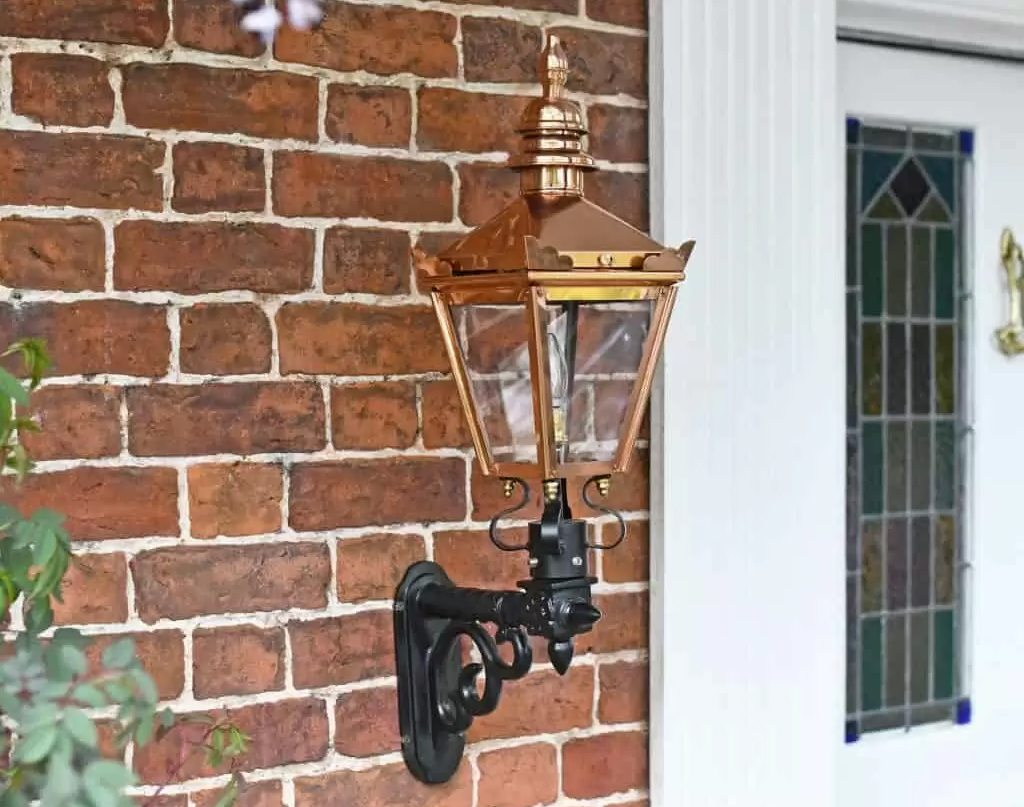
When exposed to the outdoor elements, copper will go through a typical ageing process whereby it will patina, gradually turning a deep and rich green colour. To find out more about the copper ageing process, read the full article.
Pewter & Polished Pewter Finishes
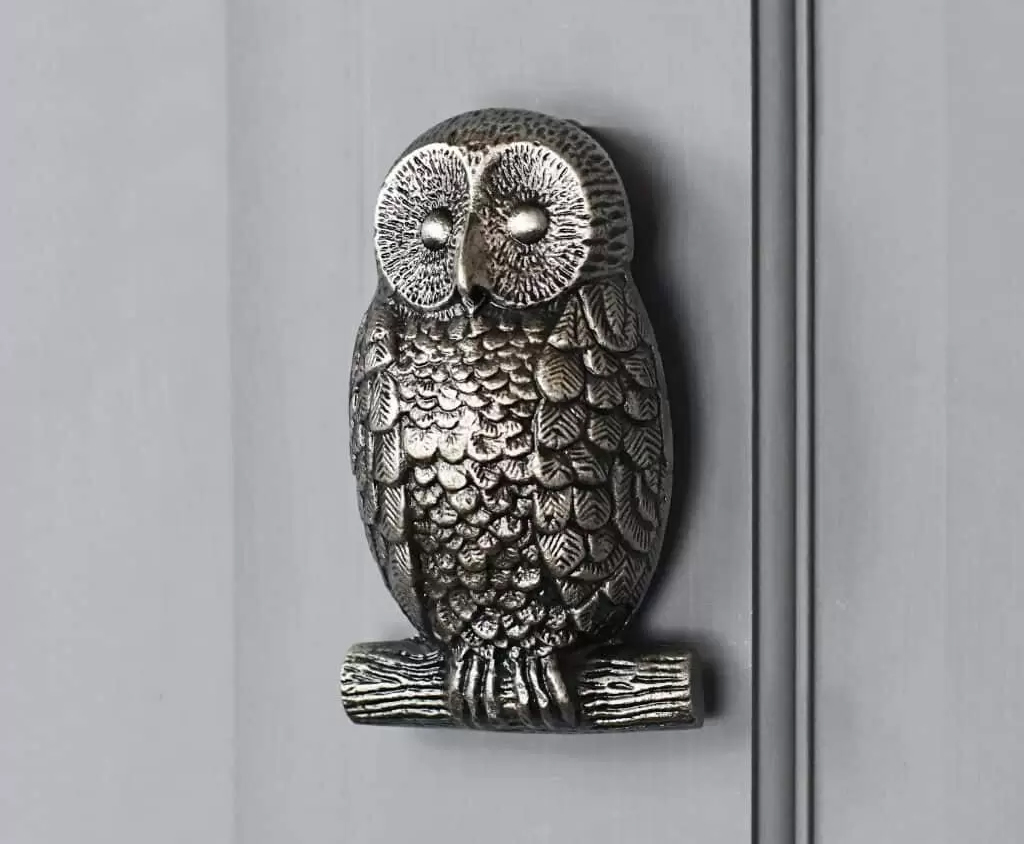
More expensive due to its properties and its close relation to silver and platinum, solid pewter is a type of metal alloy composed predominately of tin and lead. To retain the antique finish on a solid antique pewter item, dust your item gently with a soft brush. Fingerprints and tough dirt can be removed by a light swabbing of methylated spirits, which will need to be dried using a soft cloth. If you do want the shine to remain, a simple periodic clean with an all-purpose metal polish (not silver) will suffice.
Nickel
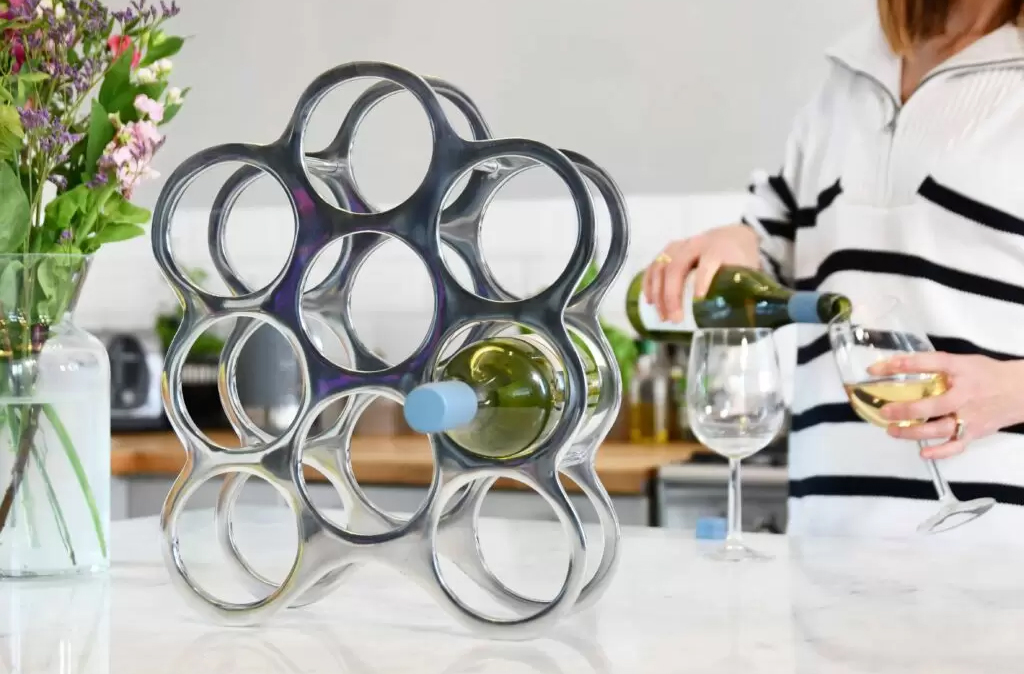
Polished nickel generally dulls down over time darkening the initial high mirrored shine, when exposed to the outside elements. The rate of aging is affected by pollution, proximity to the coast and other factors such as humidity and temperature. To help maintained the polished finished, light cleaning is required to remove dirt and water marks. It is important that this is done gently and without the use of abrasive polishes or cleaning products. It is best to use a specialist nickel product in combination with a soft clean cloth.
Brass
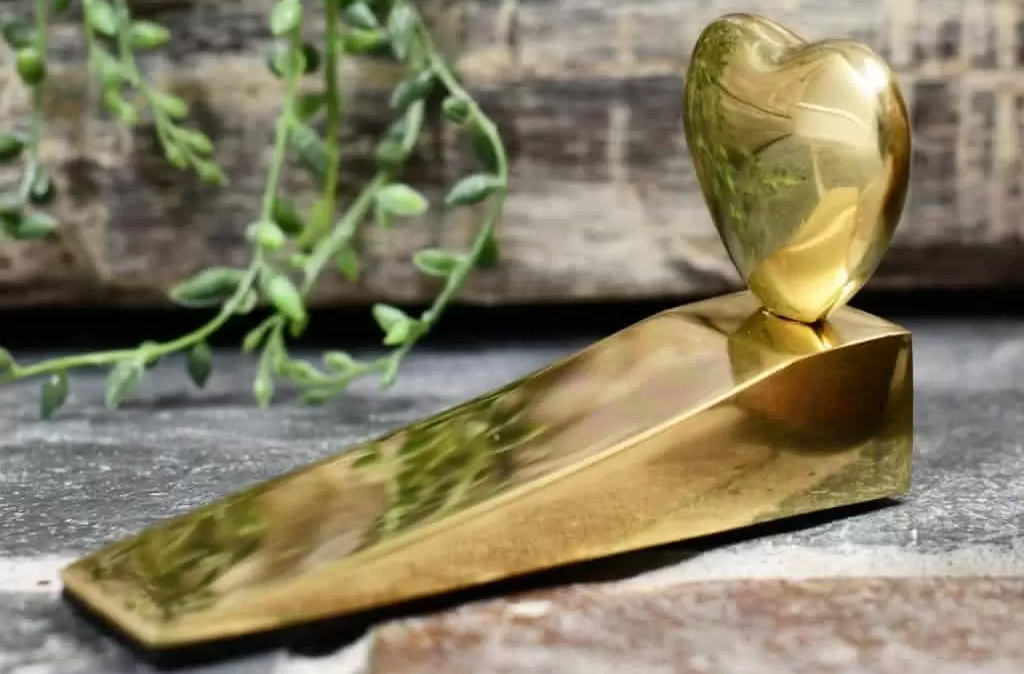
Left untreated, brass will lose its bright, shiny finish as it oxidises over time. Many of our brass products have been treated with a clear lacquer to help keep the polished brass look for longer. If your product has been lacquered, we recommend wiping over with a soft, dry cloth. Using abrasive cleaning products (including most household cleaners) will break down the lacquer coating, allowing the brass finish to become susceptible to the elements. An untreated brass product should be polished regularly with a metal polish such as Brasso if you want it to remain shiny.
Bright Chrome
Many of our bright chrome finished products have been crafted from brass. Bright chrome finishes should be treated in much the same way as polished brass is treated.